

Hidden Mold Growth Behind Walls Can Continue Long After Moisture Problems Begin
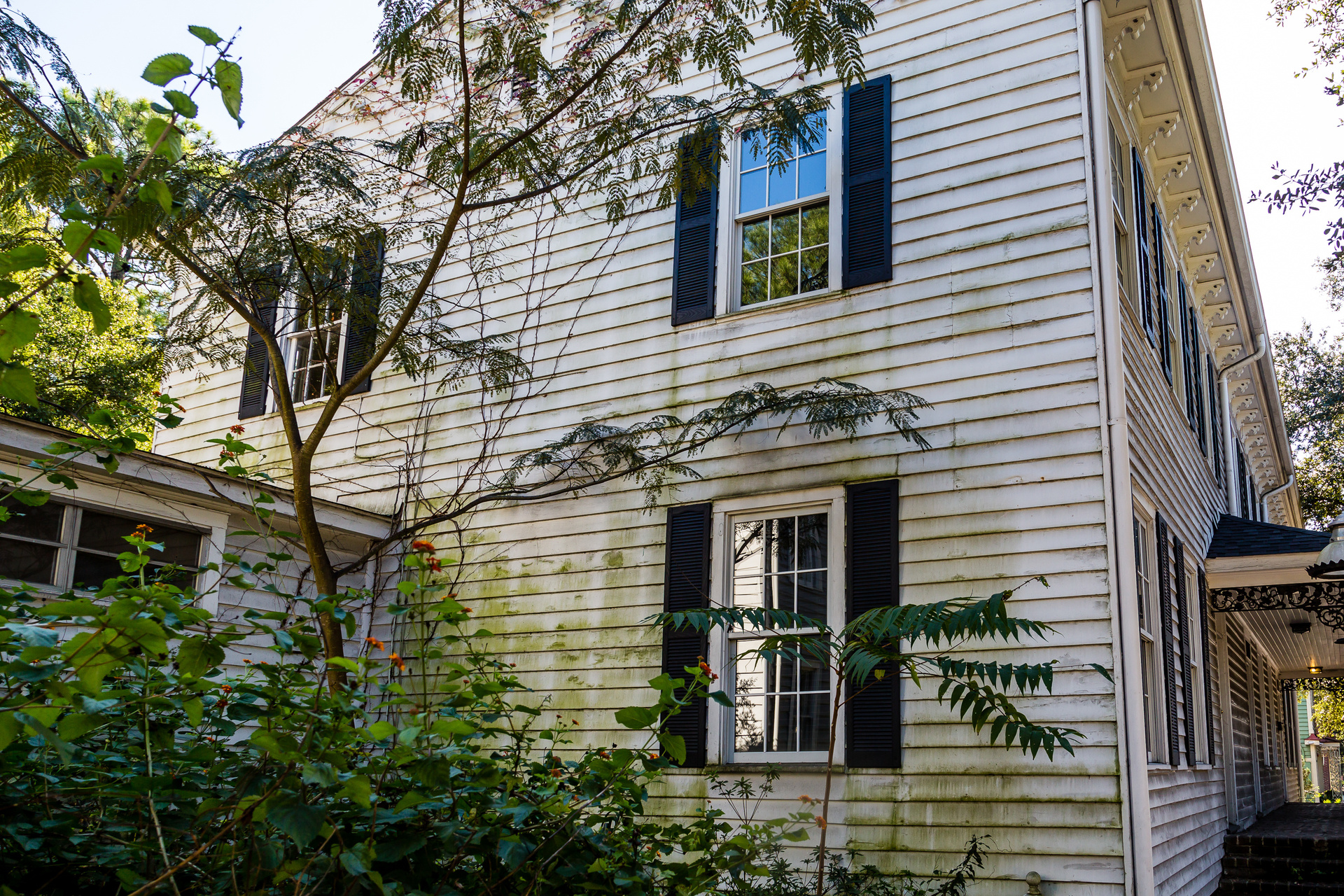

One of the challenges with mold is that it does not always grow in places where it can be easily seen”
MANDEVILLE, LA, UNITED STATES, June 17, 2026 /EINPresswire.com/ -- Mold is often associated with visible dark spots on walls, ceilings, or other surfaces. However, mold growth can sometimes develop and spread behind walls without producing obvious signs inside a home or building. As a result, property owners may not realize a problem exists until moisture damage becomes more noticeable.— Chuck Gilpin
Water intrusion from plumbing leaks, roof leaks, storm damage, appliance failures, or elevated humidity can create conditions that allow mold to grow inside wall cavities and other concealed spaces. Because these areas are hidden from view, mold may continue developing even when walls appear normal on the surface.
One of the reasons mold can remain undetected is that drywall, insulation, and other building materials may conceal moisture for extended periods. Water can enter a wall through a small leak and become trapped behind the finished surface, creating an environment where mold growth can occur without immediate visual evidence.
In many cases, property owners first become aware of a potential problem because of a musty odor rather than visible mold. Unusual smells that persist in a room or area of a building may indicate moisture-related conditions hidden behind walls, beneath flooring, or above ceilings.
Not all mold problems produce strong odors, however. Some hidden growth may continue for weeks or months before noticeable signs begin to appear. This is one reason water intrusion events should be addressed promptly, even when visible damage appears limited.
Discoloration on walls, peeling paint, bubbling drywall, warped surfaces, or unexplained staining can sometimes indicate moisture issues occurring beneath the surface. While these signs do not always confirm mold growth, they may suggest that further inspection is warranted.
Plumbing leaks are among the most common sources of hidden moisture. A slow drip from a pipe located inside a wall may go unnoticed for an extended period. Although the leak itself may seem minor, continuous moisture can create conditions that support mold development over time.
Roof leaks can create similar concerns. Water entering through damaged roofing materials may travel through attics, wall cavities, and insulation before becoming visible inside the structure. By the time water stains appear on ceilings or walls, moisture may have already affected concealed building materials.
Air conditioning systems can also contribute to hidden moisture problems. Condensation issues, clogged drain lines, and equipment malfunctions sometimes introduce excess moisture into areas that are not easily visible. In regions such as Southeast Louisiana, where humidity levels are often elevated, moisture management remains an important part of property maintenance.
Storm damage frequently increases the risk of hidden mold growth. Heavy rainfall, flooding, and wind-driven water intrusion can introduce moisture into wall cavities and other enclosed areas. Even after standing water is removed, residual moisture may remain trapped within building materials if drying is incomplete.
Early attention often helps reduce the extent of damage associated with moisture-related issues. Professional inspections may include moisture detection equipment, thermal imaging technology, and other tools designed to identify hidden moisture that cannot be seen during a visual inspection alone.
Mold concerns should be taken seriously, but they do not necessarily require panic. Many moisture-related issues can be addressed successfully when identified and handled appropriately. The key is recognizing potential warning signs and responding before conditions have an opportunity to worsen.
Property owners sometimes assume that a lack of visible mold means no problem exists. However, hidden moisture can remain present behind walls long before visible growth appears. Monitoring for unusual odors, stains, moisture damage, or changes in building materials can help identify concerns earlier.
Preventive measures may also help reduce the likelihood of hidden mold growth. Addressing leaks promptly, maintaining roofing systems, monitoring plumbing components, controlling indoor humidity levels, and responding quickly after water intrusion events are all important parts of moisture management.
Building materials such as drywall, insulation, wood framing, and flooring can absorb and retain moisture. Once moisture becomes trapped inside enclosed spaces, drying can be difficult without proper evaluation and remediation efforts.
"One of the challenges with mold is that it does not always grow in places where it can be easily seen," said Chuck Gilpin, president of Gulf States Clean Guard in Mandeville, Louisiana. "A small leak behind a wall can create moisture conditions that allow mold to develop over time. Early attention to water intrusion can help prevent a larger problem later."
As homeowners and property managers continue addressing the challenges associated with water damage and moisture intrusion, awareness remains one of the most important tools available. Understanding that mold can develop behind walls without obvious visible signs may help property owners recognize potential concerns sooner and take appropriate action before more extensive damage occurs.
Morgan Thomas
Rhino Digital, LLC
+1 504-875-5036
email us here
Visit us on social media:
Facebook
Legal Disclaimer:
EIN Presswire provides this news content "as is" without warranty of any kind. We do not accept any responsibility or liability for the accuracy, content, images, videos, licenses, completeness, legality, or reliability of the information contained in this article. If you have any complaints or copyright issues related to this article, kindly contact the author above.
